

It’s not recommended to pack cleaning tools like mops, brooms, and buckets together with liquid cleaning supplies because moisture and chemical leaks can cause contamination or unpleasant odors. Mops and brooms may carry residual dirt or dampness that could damage boxes or react with cleaning chemicals if packed together. Instead, clean and dry all tools thoroughly before wrapping mop heads in plastic bags or garbage liners. Secure broom and mop handles together with tape or rope for easy transport, and store buckets upside down to prevent spills or mildew. Keeping cleaning tools and liquid products separate helps maintain cleanliness, prevents cross-contamination, and ensures a safer, more organized moving process.
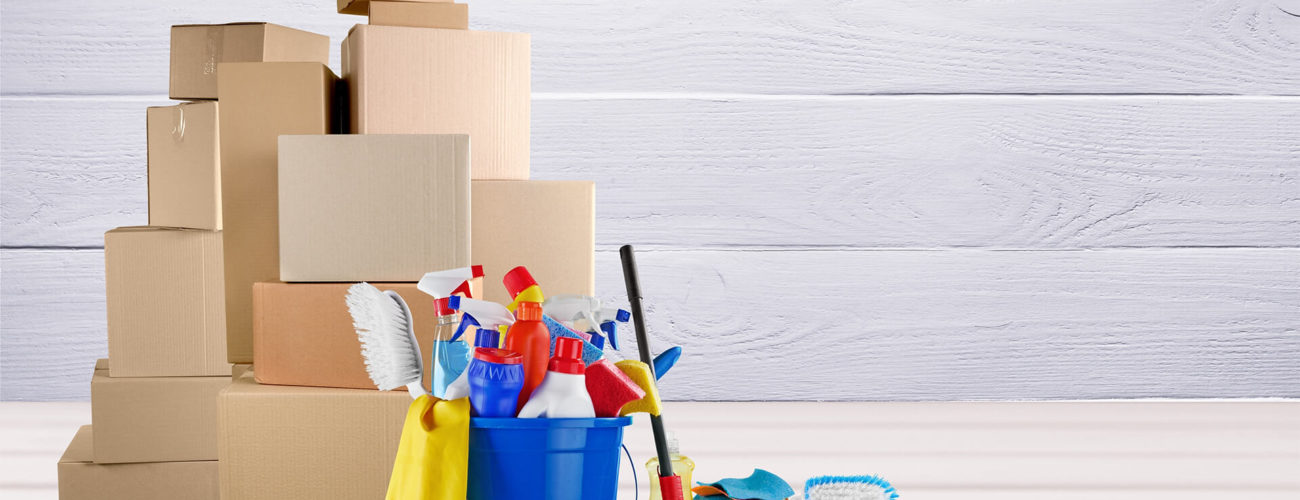

How to Pack Cleaning Supplies for Moving Without Spills or Damage
Posted in How-to,Moving Tips & Tricks on September 26, 2024
Transporting cleaning products might not seem like a big deal, but if you’ve ever opened a box and saw that a bottle leaked everywhere, you know it’s something to avoid! To save you from spills, damage, and frustration, it’s important to know how to pack cleaning supplies for moving cross-country. From sprays and soaps to scrubbing tools, these items can create a mess if not packed correctly.
How to Pack Cleaning Supplies for Moving
To pack cleaning supplies for moving, start by sorting and decluttering items and disposing of expired products. Use sturdy, tightly sealed containers, and transfer liquids into smaller bottles if needed. Protect fragile items like spray bottles with bubble wrap and cover tools with plastic bags.
Always pack cleaning supplies upright in boxes, using dividers for stability. Clearly label boxes as “Cleaning Supplies” and mark any hazardous materials. Finally, clean your old home with these products to reduce what you need to transport, ensuring a fresh start in the new space!
Ready to move with us?
Get A Free Quote
Thorough Cleaning Before Leaving Your Old Home
In 2023, all-purpose cleaners and disinfectants took the crown as the most popular household cleaning products in the United States, racking up impressive sales of over $1.7 billion.
It’s no surprise – these versatile cleaners can handle just about any mess, making them a go-to choice for tackling everything from kitchen spills to bathroom grime.
Toilet bowl cleanser sales in the US reached astonishing $669.44 million in 2023
Before you bid farewell to the old home and the Cross Country Movers team arrives to load everything on our truck, it’s important to use up those all-purpose cleaners and give every corner a thorough cleaning. Not only does this help you leave the space in good condition for the next occupants, but it also makes the transition smoother by ensuring you’re leaving behind a fresh start.
Where to Start With Sprucing Up
According to most move-out cleaning checklists, you should start by focusing on high-traffic areas like the kitchen and bathrooms. It includes scrubbing surfaces and large appliances to remove any lingering grime or stains. As you clean, you’ll likely use up a good portion of cleaning products, which means you’ll have less to transport.
Don’t forget to dust shelves, baseboards, and light fixtures, as well as clean out closets and storage areas. This final clean-up can also help you identify any last-minute items that need to be packed or disposed of, ensuring that you leave nothing behind. Plus, a clean slate will make arriving at a new place feel even more exciting!
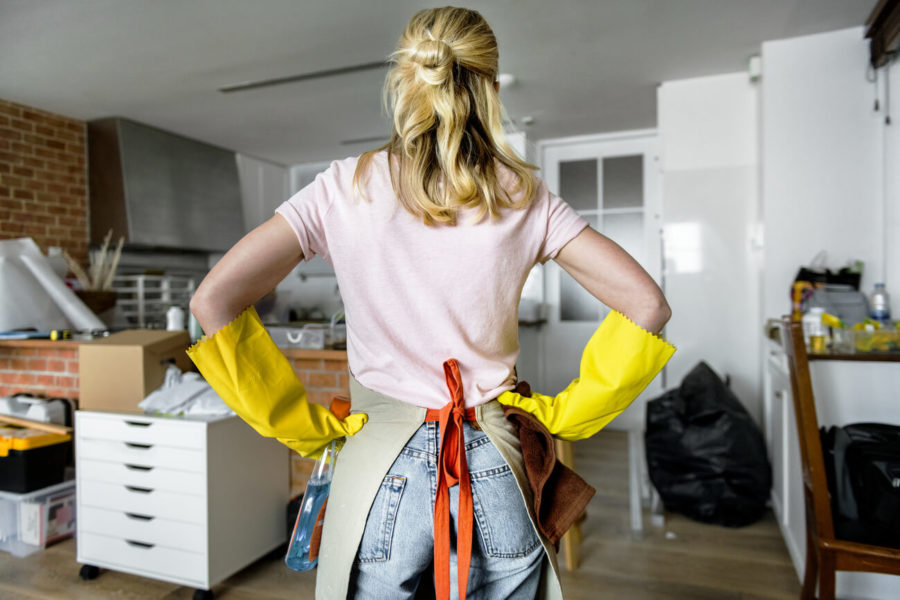
Cross-country movers can handle transport, but tidying is up to you
Sort and Declutter Cleaning Supplies
Once you’ve used up some of the chemicals during scrubbing, take a good look at them and ask yourself if you really need to move them all. Boxing up fewer items not only makes the process easier but also helps avoid spills and clutter at the new home. Expired or half-empty bottles? They’re just taking up space and could leak during the move, so it’s best to dispose of them properly. Be sure to follow local guidelines for safe disposal of cleaning chemicals – dumping them down the drain can harm the environment.
Know What Movers Won’t Move
If you’re planning on investing in cross-country moving services, it’s also important to note that many cross-country movers have restrictions on transporting certain items, especially hazardous materials. Items like bleach, ammonia, and other strong chemicals are often on the “non-movable” list due to safety regulations. Here are some common cleaning supplies that movers typically won’t move:
- Bleach,
- Ammonia,
- Drain cleaners,
- Aerosol cans,
- Pesticides or insecticides,
- Paint thinners or removers,
- Oven cleaners,
- Lighter fluid or fuel-based products.
Make sure to ask the movers which cleaning supplies they won’t move so you can plan to either transport them yourself or safely dispose of them before the big day.

Some products should be used up before relocation
Gathering Protective Supplies for a Smooth Move
Before diving into packing, it’s essential to gather all the necessary materials to ensure a smooth process. Collecting and organizing all protective materials and supplies ahead of time will save you from scrambling at the last minute and help you stay focused on the task at hand.
Depending on what you’re packing, you might need a variety of materials, including boxes of different sizes, sturdy tape, bubble wrap, and markers for labeling. Having everything within reach streamlines the packing process and ensures that your items are well-protected during transit.
Special Considerations for Packing Cleaning Supplies for Moving
When it comes to packing cleaning products specifically, you’ll want to take into account the unique needs of these items. Make sure to have sturdy containers or boxes that can hold liquids without leaking. Small plastic bins can be great for grouping similar items together, while resealable plastic bags can help contain any potential spills.
Additionally, keep some extra bubble wrap or packing paper handy for wrapping fragile items like spray bottles or glass containers. These materials will help ensure that all cleaning supplies stay secure and undamaged throughout the move.
Use Proper Containers
To avoid messy leaks during the move, make sure all cleaning supplies are stored in tightly sealed containers. Even if the original bottle seems secure, it’s a good idea to double-check those lids – one loose cap could cause a spill disaster!
If you have larger bottles of cleaning liquids, consider transferring them into smaller, more secure containers that are easier to manage and less likely to leak. Don’t forget to use tape around the lids of all the bottles for extra reinforcement.
Use Protective Materials
Before you start packing, make sure you have the right materials on hand to protect bottled chemicals. A little protection goes a long way in ensuring everything arrives in one piece! Here’s a quick list of what you’ll need:
- Bubble wrap or plastic wrap for fragile items,
- Plastic bags for covering rough-edged tools,
- Packing tape to secure wrapping,
- Boxes with dividers (optional).
Once you’ve gathered these materials, take a few extra steps to keep your items safe and secure. For fragile items like spray bottles or glass containers, wrap them in bubble wrap or plastic to cushion them during the move. This will help prevent cracks, breaks, or accidental leaks. As for tools with rough edges, like brooms, brushes, or scrubbing pads, use plastic bags to cover them. This not only keeps the bristles intact but also prevents them from damaging other items in the box.
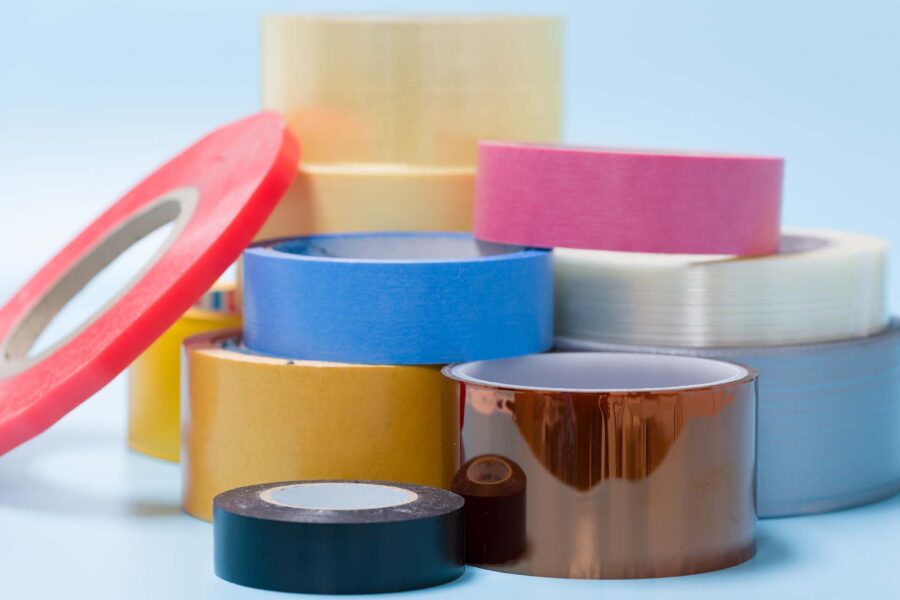
Taping the lids can prevent spills
Time for Boxing Up
Long-distance moving comes with its fair share of challenges, and one of the biggest hurdles is making sure everything is properly packed and organized. Whether it’s navigating long distances or dealing with unpredictable road conditions, the last thing anyone wants is to deal with spills or damaged goods.
Carefully boxing up each item ensures not only a smooth journey but also makes the unpacking process much easier. From fragile cleaning supplies to heavy-duty tools, taking the time to pack everything securely can make a world of difference.
Pack Cleaning Supplies Upright
When packing bottled chemicals, it’s crucial to keep bottles and containers upright to prevent leaks. Liquids can easily spill if tipped over, so make sure everything stays standing in the box. To keep things stable, you can use dividers or even place heavier items, like detergent bottles or large containers, at the bottom of the box. This will help create a stable base and prevent lighter bottles from shifting or falling over.
Label the Boxes Clearly
Don’t forget to clearly label the boxes that hold the cleaning supplies! Mark them as “Cleaning Supplies” so you’ll know exactly what’s inside and can handle them with care. If you have any fragile or toxic items, be sure to add those labels, too.
This not only helps you during unpacking but also alerts the movers to treat those boxes with extra caution. It’s also a good idea to keep these boxes easily accessible for any post-move tidying up you might need to do. That way, you won’t have to dig through piles of boxes to find what you need!
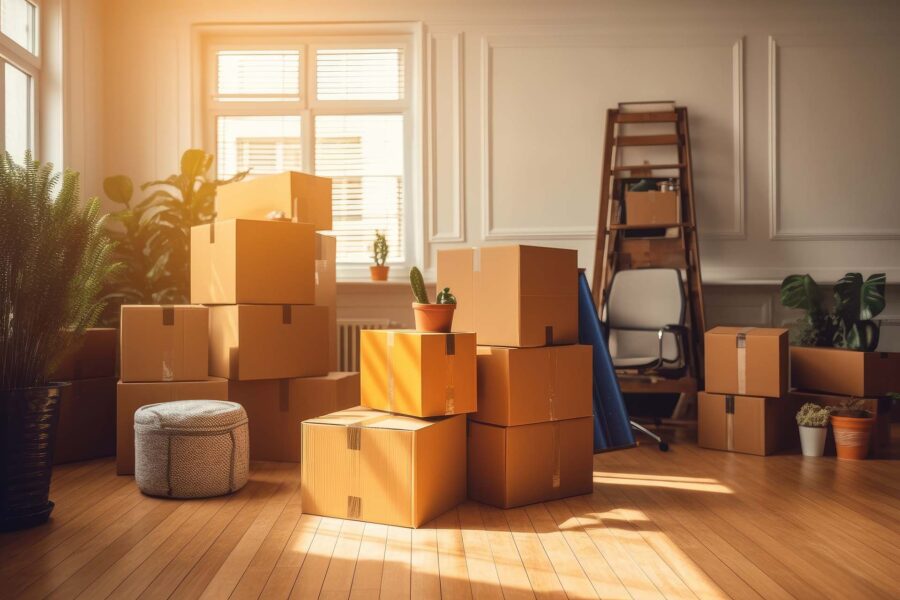
Make sure everything is properly secured and labeled
Transport Certain Items Separately
Some cleaning supplies, especially chemicals like bleach, ammonia, or strong disinfectants, should be transported separately for safety reasons. These items can be hazardous if they spill or mix with other products, so it’s best to keep them out of the main moving boxes.
To avoid any issues, check with long-distance movers about their policies on transporting hazardous materials. Many companies have strict guidelines or may not allow certain chemicals to be moved at all. Planning ahead will help you avoid surprises and ensure relocation goes smoothly and safely.
Safe Unpacking of Cleaning Supplies
Unpacking can be just as overwhelming as packing, especially when it comes to cleaning supplies that may contain liquids and chemicals. To ensure a smooth transition into a new home, it’s important to approach unpacking with a focus on safety and organization. By following a few key steps, you can make the unpacking process more manageable and create a safe environment for you and your family.
Open Boxes Carefully
When unpacking, safety should be a top priority. Start by opening boxes carefully to avoid spills or accidents, especially if you’re dealing with liquids that could leak. Take your time and work methodically to ensure nothing gets damaged during the process.
Inspect for Leaks and Damage
Inspect each item for leaks or damage before placing them in a designated spot. This is particularly important for items stored in bottles or containers that may have shifted during transit. If you notice any leaks, clean the area immediately to prevent slips and falls.
Designate a Safe Unpacking Area
Designate a specific area for unpacking cleaning products, keeping them out of reach of children and pets until you can organize them properly. This helps create a safe environment and minimizes the risk of accidental exposure to potentially harmful substances.
Check Expiration Dates
As you go through the supplies, check for expiration dates and discard any that are outdated or unsafe for use. Proper disposal of expired products is essential for maintaining a clean and safe home. By taking these precautions, you’ll ensure that the new space is both clean and safe for everyone, setting a positive tone for a new beginning.
Move-In Cleaning Is Setting the Stage for a Fresh Start
Once you’ve settled into a new space, a thorough move-in cleaning can make all the difference in creating a welcoming environment. Before unpacking, take the time to wipe down surfaces, clean out cabinets, and tackle any hidden corners that may have been overlooked.
This is especially important in areas like the kitchen and bathrooms, where cleanliness is crucial. Use the cleaning supplies to sanitize countertops, scrub sinks, and wipe down appliances. This fresh start not only ensures that the new home is free of dust and allergens but also allows you to establish a clean slate before personalizing the space with new items.
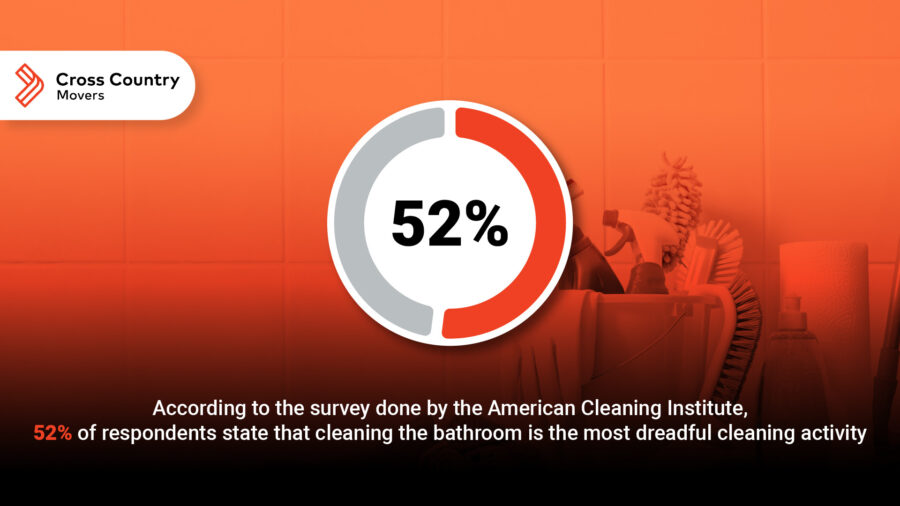
Most people dislike tackling the bathroom
Moving Made Easy With Cross Country Movers
Packing cleaning supplies for relocation doesn’t have to be a daunting task. By sorting and decluttering, using proper containers, and taking extra precautions with protective materials, you can ensure everything arrives intact and ready to use. Remember to give the old space a thorough cleaning before you leave, which not only helps reduce the number of supplies you need to transport but also sets a positive tone for a new beginning.
If you’re looking for a reliable partner to make moving across the country as smooth as possible, Cross Country Movers is there for you. Our experienced team is ready to assist you every step of the way, making the transition effortless and stress-free. Contact us today to start planning your move!
FAQ
How Do I Pack Cleaning Supplies for Moving Without Spills or Damage?
To pack cleaning supplies safely for moving without spills or damage, seal each container tightly and place it in leakproof plastic bags before boxing. Use sturdy boxes lined with absorbent materials such as paper towels or old rags. Keep liquid cleaners upright and separate from dry goods or fragile items. Label all boxes clearly as “Cleaning Supplies – Keep Upright.” This method prevents leaks and protects both your belongings and movers.
Can I Move Cleaning Supplies With Other Household Items?
It’s best not to move cleaning supplies with other household items because leaks can damage fabrics, electronics, or food. Keep all cleaners in a separate, well-labeled box or plastic tote. Place absorbent padding around bottles to catch any accidental spills. Transport them in an upright position away from valuables. This separation ensures safety and avoids chemical contamination during the move.
Which Cleaning Products Should I Not Pack for Moving?
You should never pack flammable or pressurized cleaning products such as bleach, aerosols, or ammonia-based sprays when moving. Most moving companies prohibit these due to fire and explosion risks. Dispose of or give away hazardous products before moving day. Check local regulations for proper disposal of chemicals. Transport only safe, sealed liquids that meet household moving guidelines.
How Do I Prevent Leaks When Packing Liquid Cleaners?
To prevent leaks when packing liquid cleaners, secure lids tightly and cover them with plastic wrap before screwing the caps back on. Place each bottle inside a sealed zip-top bag and use tape for extra protection. Line boxes with absorbent paper or towels to contain any drips. Keep bottles upright and fill empty spaces with crumpled paper to minimize movement. Following these steps ensures your liquids stay contained throughout the trip.
Can I Pack Bleach and Ammonia in the Same Box When Moving Cleaning Supplies?
No, you should never pack bleach and ammonia in the same box when moving cleaning supplies because combining these chemicals can create dangerous toxic fumes if they leak or mix. Even small amounts of residue can react and release harmful chlorine gas, posing serious health risks during transport. Always keep bleach, ammonia, and other reactive cleaners in separate, clearly labeled containers or plastic bins. Wrap each bottle securely in plastic and store them upright to prevent leaks. Keeping chemical cleaners apart ensures a safer move and protects you, your movers, and your belongings from accidental exposure.
What’s the Safest Way to Transport Cleaning Supplies in My Car?
The safest way to transport cleaning supplies in your car is to place them upright in a sturdy plastic bin with a secure lid. Keep the bin on the floor or in the trunk, not on seats where it can tip over. Avoid leaving chemicals in a hot car for extended periods. For longer trips, wrap bottles in towels to absorb vibrations. Proper car storage reduces spill risk and keeps fumes contained.
Should I Use Plastic Bins or Cardboard Boxes for Packing Cleaning Supplies?
Plastic bins are the best choice for packing cleaning supplies because they resist leaks and are easy to clean if spills occur. Cardboard boxes can weaken when exposed to moisture from liquids. Choose heavy-duty bins with tight-fitting lids for maximum protection. Label each bin with its contents and orientation (“This Side Up”). Plastic containers also allow quick inspection without unsealing the box.
How Can I Dispose of Leftover Cleaning Supplies Before Moving?
Dispose of leftover cleaning supplies responsibly by taking them to a local hazardous waste facility. Many communities hold drop-off events for chemicals and paint. Do not pour cleaners down the drain or into trash bins, as this can harm plumbing and the environment. You can also give unopened items to neighbors or friends. Safe disposal ensures compliance with environmental regulations and protects your new home’s safety.
Is It Safe to Pack Aerosol Cleaning Products for Moving?
No, aerosol cleaning products should not be packed for moving because they are flammable and can explode under pressure. Movers typically ban aerosols like air fresheners, disinfectant sprays, or polish. Dispose of or use them before moving day. If you must transport them, carry them yourself in a ventilated vehicle and away from heat sources. Never place aerosol cans in a hot moving truck.
How Should I Label Boxes Containing Cleaning Supplies for a Move?
When packing cleaning supplies for a move, label each box clearly to ensure safe handling and prevent accidental spills or damage. Use bold labels such as “Cleaning Supplies,” “Keep Upright,” and “Fragile – Liquids Inside” so movers know to handle them with care. It’s also wise to write “Do Not Load Near Food or Clothing” to avoid contamination from chemical leaks. Use waterproof markers or printed stickers so the labels stay visible even if the box gets damp. Clear, detailed labeling not only keeps your belongings and movers safe but also helps you identify and unpack these items first once you arrive at your new home.
Can I Ship Cleaning Supplies Through a Moving Company?
Most moving companies do not allow shipping cleaning supplies due to safety and liability concerns. Liquids and chemicals can leak, damage other goods, or violate transport regulations. Always confirm with your mover before packing these items. They may suggest moving them separately or disposing of them locally. Understanding restrictions avoids last-minute surprises on moving day.
How Do I Pack Glass Cleaner or Window Sprays for Moving?
To pack glass cleaner or window sprays for moving, wrap each bottle in plastic wrap and seal it in a zip-top bag. Use sturdy boxes or bins lined with absorbent material to contain leaks. Keep the bottles upright and away from fragile or electronic items. Label the box “Glass Cleaners – Keep Upright.” Taking these precautions ensures your sprays arrive without leaks or damage.
Can I Pack Cleaning Tools Like Mops, Brooms, and Buckets With Liquids When Preparing for a Move?
How Should I Store Cleaning Supplies After the Move?
After the move, store cleaning supplies in a cool, dry area away from food and children. Check all containers for leaks or cracks before placing them on shelves. Organize products by type—liquids, sprays, and powders—for easier access. Use plastic bins or trays under shelves to contain potential drips. Proper storage keeps your new home safe and organized.
What Are Common Mistakes to Avoid When Packing Cleaning Supplies for Moving?
Common mistakes to avoid when packing cleaning supplies for moving include mixing incompatible chemicals, using weak boxes, and skipping leak protection. Never pack bleach with ammonia or store aerosols near heat sources. Avoid leaving containers unsealed or overfilled. Forgetting to label boxes or line them with absorbent material can also cause messes. Careful packing and separation ensure a safe, damage-free move.