
How Do Cross Country Movers Protect My Belongings During a Long Move?
Posted in How-to on January 24, 2026
During a long-distance relocation, the biggest concern families and high-value item owners have is the safety of their belongings. Whether you’re transporting designer furniture, fragile decor, heirlooms, appliances, or an entire household, you need movers who understand exactly how to protect furniture when moving and how to secure delicate items for thousands of miles on the road. Fortunately, professional long-distance movers use specialized equipment, advanced packing techniques, and industry-grade materials to ensure everything arrives safely — without scratches, dents, or breakage.
From fragile item packing to custom crating, padded wrapping, insurance protection, and climate-controlled storage, the right company provides a blueprint for a damage-free relocation. If you’re investing in a cross-country move, understanding how professional movers protect your belongings will help you feel more confident and better prepared.
Why High-Quality Protection Matters for Long-Distance Moves
A cross-country relocation involves long travel hours, changing road conditions, temperature fluctuations, and multiple loading and unloading phases. Without proper protection, this creates opportunities for scratches, vibrations, and impact damage — especially when transporting high-value items. That’s why reputable companies begin planning protection strategies long before moving day. They use the best packing for long-distance move situations, selecting materials and techniques suited to each item’s fragility, size, and value.
For example, guides like our resources on stress-free moving and how to plan a move emphasize the importance of preparation and organization. Professional movers follow similar principles, beginning with a detailed inventory and evaluation of your belongings. This helps them anticipate the right mix of packing materials, equipment, and furniture protection services to use during your relocation.
Most importantly, high-end long-distance movers understand that each home is unique. Families with children may need fast, efficient packing; collectors need specialized protection; and homeowners moving luxury items need customized crating. Regardless of your situation, the goal stays the same: secure moving with zero damage.

Professional movers know how to properly handle delicate items
How Movers Prepare and Wrap Furniture for Long Distance Transport
One of the first steps in ensuring a secure move is an in-depth assessment of each piece of furniture. Movers look at construction, weight distribution, potential weak points, and material type. Wooden furniture, for example, must be protected from moisture and pressure, while leather and fabric upholstery need breathable coverings to prevent mold or discoloration.
Once the assessment is complete, movers begin wrapping each item using professional techniques. For many families, this is the first time they truly understand how to protect furniture when moving, because they see firsthand how detailed the wrapping process is. Every corner, leg, edge, drawer, and surface is accounted for. To prepare yourself in advance, guides like moving heavy equipment and how to prepare for a move can help you understand what’s involved before the movers arrive.
Ready to move with us?
Get A Free Quote
Professional-Grade Packing Materials Used by Cross Country Movers
If you’re wondering what makes professional packing so effective, the answer lies in the specialized materials movers use. These materials are designed to absorb impact, resist indentation, prevent friction, and stabilize items during long-distance travel. Combined with the expertise of trained packers, they form a complete system for maximum protection.
Professional movers typically use:
- Quilted moving blankets for surface protection
- Double-walled boxes for fragile items
- Bubble wrap and foam sheets for impact absorption
- Furniture pads and corner protectors for wooden or glass surfaces
- Shrink wrap to secure upholstery and drawers
- Custom wooden crates for high-value or unusually shaped items
If you’re researching supplies on your own, our article on different packing materials breaks down what each material is used for. And if you’re packing in a hurry, learning about packing tips for moving in a hurry may help you get organized quickly before movers arrive.

Proper labelling is essential for relocating fragile belongings
How Fragile Items Are Packed for Cross-Country Moves
When it comes to fragile item packing, professional movers take an extremely detailed approach. These items must be cushioned, isolated from movement, and stored in upright or position-specific orientations. This includes:
- Glassware
- Mirrors
- Artwork
- Collectibles
- Porcelain
- Musical instruments
- Electronics
Movers wrap fragile pieces in layers of bubble wrap or foam, place them in custom-fit boxes, and reinforce the exterior with cardboard sheets. For items like artwork or expensive decor, movers often use custom crating services — the gold standard of secure packing. Resources like how to pack fragile items and how to wrap a mirror for moving can help you see how professionals handle these delicate pieces. Because families and collectors often transport heirlooms or expensive items, fragile packing plays a major role in achieving a damage-free relocation.

Advanced Furniture Protection Services for Long-Distance Relocations
Many families don’t realize that high-quality movers offer advanced furniture protection services, beyond the standard wrapping and padding. These services exist specifically to safeguard high-value items during long-distance transport. Movers may use:
- Custom crating for sculptures, chandeliers, wine collections, antique furniture, and large decor
- Climate-controlled storage for sensitive materials
- Mattress and sofa covers for upholstered pieces
- Plastic and felt padding combinations for hardwood or delicate surfaces
- Disassembly and reassembly services for complex furniture
If you’re downsizing or relocating temporarily, using proper storage is essential. Our guide on how to use storage when moving explains how to keep items protected between homes. These specialized steps ensure your belongings experience minimal vibration, minimal friction, and maximum stability, even over thousands of miles.
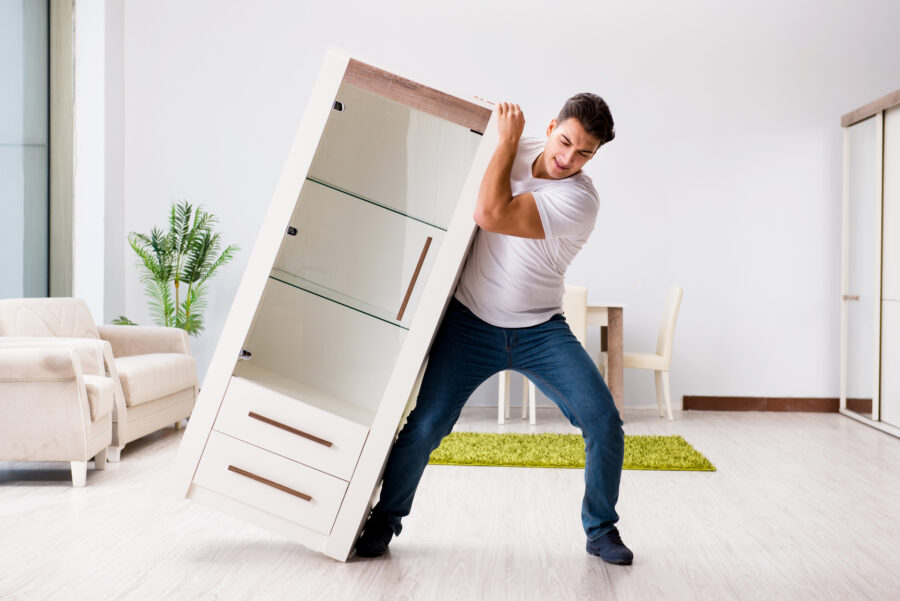
Professional movers know how to disassemble furniture and protect all the parts
How Movers Handle Loading, Unloading, and Transportation
Packing is just one part of secure moving — the way movers load the truck is equally important. Incorrect stacking, improper weight distribution, or unsecured items can lead to damage even if everything is wrapped perfectly. That’s why trusted companies use systematic loading techniques. Movers begin by placing the heaviest items on the bottom, distributing weight evenly across the floor, and ensuring tall or fragile items are stabilized between sturdy pieces. Straps, locks, and tension bars prevent shifting during turns or sudden stops.
If you’re curious about the process, our guide on how to pack a moving truck gives an excellent overview of how professionals organize the interior of a moving vehicle. Once everything is loaded, long-distance drivers take over. These specialists are trained to navigate various terrain and weather patterns, ensuring your belongings experience minimal impact throughout the journey.

Why Mover Training and Crew Experience Matter for Long-Distance Safety
One of the most overlooked parts of achieving a truly secure moving experience is the skill level of the crew handling your belongings. While materials and equipment play a major role, the training behind the team is just as important. Cross-country movers receive instruction on advanced packing methods, safe lifting techniques, and the physics of long-distance transport. This helps them anticipate how items shift during acceleration, braking, or sudden changes in elevation. Experienced crews also understand how different furniture materials behave under pressure — for example, how solid wood reacts to humidity changes or how metal frames require reinforced padding to prevent bending.
A trained moving crew also works with a streamlined system. Each team member knows how to communicate during loading, when to adjust straps for stabilization, and how to layer items efficiently to prevent movement during transport. They recognize fragile items at a glance and automatically follow the best practices outlined in resources like our guides on packing fragile items or organizing home inventories. Inexperienced movers may rush or overlook key steps, but a skilled long-distance team ensures consistent, damage-free handling. Their expertise is especially valuable when moving specialty pieces like antiques, large appliances, or high-value furniture requiring customized protection.

Fragile items can be challenging to pack on your own
Insurance Coverage and Protection Plans During Long-Distance Moves
Even with the best preparation and materials, things can occasionally go wrong. That’s why reputable movers offer strong insurance coverage, giving you peace of mind throughout the entire relocation. If you’re transporting high-value items, this may be one of the most important aspects of choosing a mover.
Movers typically offer valuation coverage options, allowing you to choose the level of financial protection you prefer. If you’re unsure how these systems work, our guide to moving insurance options breaks it down simply.
Insurance protection is especially valuable for families moving antiques, designer furniture, or expensive electronics. It ensures that your belongings are covered from pickup to delivery, whether they’re traveling directly or remain in temporary storage. Articles like what items movers won’t move can also help you understand which items need special handling or different insurance requirements.
Common Questions About Protecting Belongings During Long Moves
How do movers keep my furniture safe during long-distance transport?
Movers wrap each piece using pads, blankets, shrink wrap, and protective covers. They also secure items inside the truck using straps and weight-balancing techniques.
Do movers pack fragile items differently?
Yes — fragile items receive extra cushioning, reinforced boxing, and often custom crating. See more in our guide on fragile item packing.
What about specialty or high-value items?
High-value items get custom crating, special padding, and additional insurance. Articles like moving large items explain best practices.
Can movers store my belongings safely during a long move?
Absolutely — many offer climate-controlled storage. Learn more in our guide on creative storage ideas.
How Technology Enhances Protection During Long-Distance Moves
Modern cross-country moving companies also use technology to enhance safety and provide damage-free relocation tips throughout the journey. Many professional movers now rely on digital inventory systems, barcode tracking, and photographic documentation to ensure items are accounted for at every stage. Digital inventories reduce the risk of human error, giving families peace of mind as they follow each step from pickup to delivery. These systems make it easier to verify the condition of items, record serial numbers, and track high-value pieces that require additional attention.
GPS-enabled truck tracking is another tool that helps guarantee secure moving. With real-time route monitoring, dispatch teams can check road conditions, weather patterns, and traffic delays to adjust transport schedules safely. This kind of monitoring reduces risks associated with unpredictable long-distance conditions. Technology also helps with communication — customers can receive updates, delivery windows, and confirmations instantly, eliminating guesswork throughout the relocation process.
Some relocation companies even use smart sensors within custom crates to monitor vibration levels and humidity for sensitive valuables. These technological improvements reinforce what families and high-value homeowners want most: transparency, accuracy, and superior protection from the moment belongings leave the driveway until they arrive at their new home.
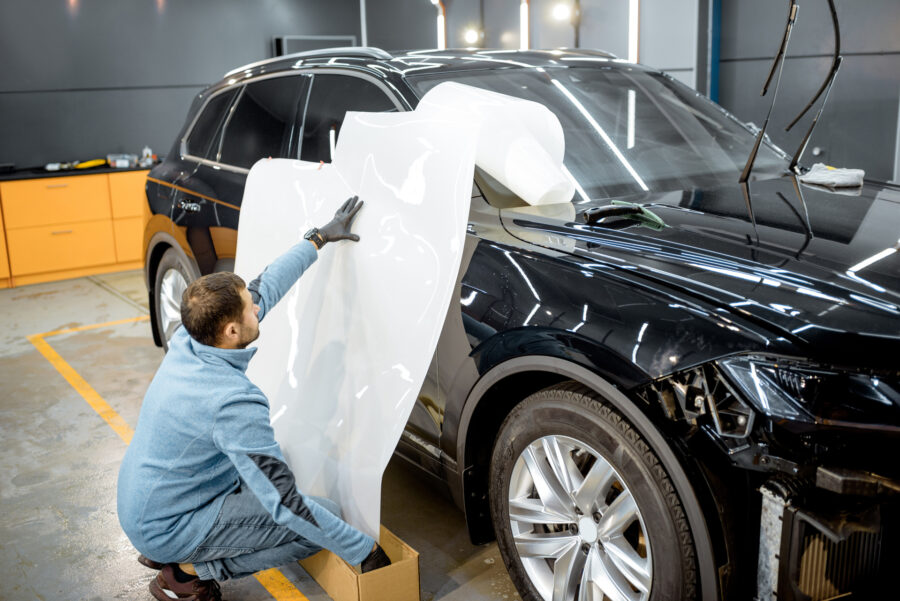
Professional movers also offer safe car shipping options
Trust Professional Movers to Protect What Matters Most
Now that you understand how to protect furniture when moving, how fragile items are wrapped, how packing is handled, and how movers keep the truck secure, you can feel confident choosing a team that values your belongings as much as you do.
If you’re preparing for a long move and want a relocation partner who prioritizes safety, organization, and peace of mind, Cross Country Movers is here to help. Our team provides:
- Expert cross-country moving services
- Professional packing services
- Reliable car shipping
- Secure storage solutions
- Comprehensive moving insurance protection
Ready for a safe, damage-free relocation? Contact us today for a free quote and let us protect your belongings every step of the way.