

How Do Cross Country Movers Manage Moves in High-Rise Buildings and Restricted Access Areas?
Posted in How-to on February 12, 2026
Moving into or out of a high-rise apartment comes with challenges far beyond those of a traditional home relocation. Tight hallways, elevator rules, building regulations, loading dock reservations, and neighborhood access restrictions can turn a DIY move into a logistical nightmare. That’s why so many people rely on professional apartment moving who specialize in navigating these environments efficiently — especially during long-distance relocations.
When movers work in high-rise buildings, they don’t just carry boxes. They coordinate with building management, secure elevator access, plan routes for restricted areas, handle parking permits, protect common areas, and use specialized equipment to avoid delays or damage. Whether you’re moving into a condo, a downtown apartment tower, or a secure access building, the right movers ensure a seamless transition without overwhelming you.
Why High-Rise and Apartment Moves Require Specialized Planning
Unlike single-family homes, apartments and condos often limit move-in hours, require proof of insurance from the movers, restrict truck parking, and mandate protection for hallways, elevators, and entryways. These rules are designed to prevent damage and ensure safety for all residents — but they also mean your movers need to plan ahead.
Professional apartment movers spend time reviewing building requirements long before moving day. They gather details such as elevator reservations, loading dock hours, building access points, and stairwell restrictions. Knowing how to prepare for movers highlight how preparation eliminates delays — and this is even more true in high-rise environments. For long-distance moves, where timing already matters, these logistical steps become crucial. One small rule of oversight — arriving outside approved hours, forgetting proof of insurance, or failing to reserve an elevator — can disrupt your entire relocation.
The Role of Movers When Navigating High-Rise Building Rules
Professional movers handle communication with building management to avoid surprises on moving day. They confirm:
- Insurance paperwork and liability requirements
- Preferred loading zones
- Approved elevator hours
- Move duration limits
- Noise or access restrictions
- Whether padding must be installed in elevators or lobbies
These steps ensure your movers are welcomed by the building rather than turned away — which is a common risk when movers arrive without clearance. If you’re unsure how to communicate with your building in advance, resources like what to expect from movers and moving checklists help you stay organized.

Professional movers know how to navigate strict rules and avoid complications
High-Rise Moving Tips: How Movers Prepare for Vertical Challenges
Moving large furniture and boxes through narrow hallways, small elevators, and long interior routes requires special strategy. Movers assess building layout to determine the best paths for transporting each item. They consider:
- Elevator dimensions
- Stairwell width
- Hallway turning radius
- Doorway height restrictions
- Fire safety rules
- Building-specific moving procedures
Special attention is given to elevator moving, because elevators in high-rise buildings often require reservations, protective padding, supervised access, or time limits. Movers use carts, dollies, blanket wraps, and straps to maximize efficiency while protecting surfaces. If you’re curious about what makes moving preparation easier, guides like moving day tips and how to organize your move explain how strategic planning helps large buildings function smoothly.

Professional movers can give you best tips of managing complex moves
Managing Restricted Access Areas and Tight Urban Streets
One of the biggest challenges in large cities is finding legal and safe parking for the moving truck. Many apartment buildings only allow loading from designated zones or require moving permits for buildings, especially in downtown or historic neighborhoods.Professional movers know how to:
- Secure temporary parking permits
- Work with city agencies
- Coordinate loading dock use
- Park in tight areas safely
- Navigate narrow one-way streets
- Use shuttle trucks when full-size trucks can’t reach the building
If you’re relocating to a dense urban area, articles like moving to a big city and moving to the suburbs offer helpful insights into lifestyle and logistical differences.

How Condo, Co-Op, and Apartment Buildings Regulate Move-In/Move-Out Procedures
Most condo and apartment buildings have structured move-in/move-out procedures designed to prevent disruption. These rules protect the building and ensure crowd control when multiple residents move at once. Rules often include:
- Mandatory elevator reservations
- Required floor or wall protection
- Move times limited to weekdays
- Insurance certificate submission
- Visitor passes or security check-ins
- Penalties for missed time slots
Articles like moving into an apartment and renting an apartment help explain how apartment management operates and why rules matter. Apartment movers coordinate all necessary documentation and ensure compliance so the relocation runs smoothly.
Ready to move with us?
Get A Free Quote
How Movers Use Equipment to Handle High-Rise Moves Safely
Equipment is critical for navigating multi-level buildings. Movers rely on:
- Appliance dollies
- Four-wheel carts
- Furniture sliders
- Stair-climbing dollies
- Floor runners and wall guards
- Padding for elevators
- Lift straps for oversized items
Because apartments often have restrictive layouts, movers must find creative ways to maneuver through tight spaces without causing damage. This often pairs with professional services like packing support and storage solutions to help protect your belongings and the building throughout the process. If you’re moving from or into a high-rise with fragile items, guides like how to pack a TV and how to pack lamps offer additional preparation tips.
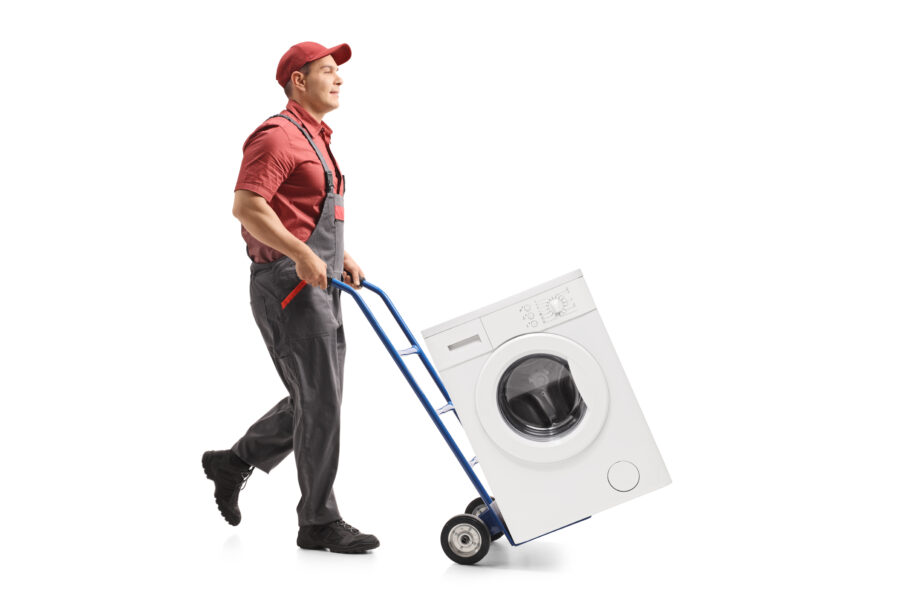
Movers have professional equipment that helps them navigate complex moves
How Movers Protect Building Interiors During High-Rise Moves
One of the most important tasks professional apartment movers handle during high-rise relocations is protecting building interiors. Because condos and apartment complexes often have strict rules about property damage, movers take deliberate steps to protect floors, walls, elevators, and entryways throughout the process. They begin by installing floor runners along hallways and lobby paths, preventing scratches from dollies or heavy furniture. Elevator padding is also applied to all interior walls, shielding surfaces from accidental bumps during large-item transport. In buildings with marble floors, glass doors, or decorative finishes, movers may even use additional coverings or corner guards to avoid any impact.
This level of protection isn’t just considerate — it’s required by many building managers. Articles like what to expect from movers describe how movers follow best practices to maintain safety and compliance. Protecting interiors also helps movers work faster. When the building staff sees a prepared, organized moving crew, they’re more likely to offer easier access or assistance, which keeps the relocation on schedule. For high-rise dwellers, this attention to detail ensures a smooth relationship with building management and eliminates unexpected repair fees. It also ensures your move remains respectful to other residents, creating an efficient, well-coordinated experience from start to finish.

Restricted Access Moving and Shuttle Services
In many high-rise areas, large moving trucks are not allowed near residential entrances due to city codes or limited street size. Movers use shuttle vans to transport belongings from the main truck to the building.
This prevents illegal parking, avoids fines, and ensures a smoother move, especially in dense metros. For long-distance relocations, this coordination is especially important because timing must align with building rules, traffic flow, and delivery schedules. Learning more about moving from a small town to a big city and moving in the summer can help you understand why city-based relocations require more planning and flexibility. Building requirements movers must follow:
- Approved move-in/move-out time slots
- Freight elevator reservations
- Signed access agreements
- Proof of moving insurance
- Required padding for hallways and elevators
- Parking or loading dock permits
- Security check-ins or sign-in systems
How Movers Communicate With Building Management During High-Rise Moves
Communication is one of the most important elements of apartment and high-rise relocations. Professional apartment movers maintain frequent contact with building managers, concierge desks, HOAs, and security teams to confirm scheduling, access rights, and permissible moving procedures. These early conversations help prevent delays by ensuring everyone is aligned on timing, elevator use, and rules for protecting building common areas.
Movers also verify whether insurance certificates (COIs) are required. Many condos and upscale apartments will not allow movers on-site without this documentation, which confirms liability coverage. Insured moving companies provide these certificates easily, while unlicensed movers may struggle — a major red flag. Articles like how to choose a moving company explain why credentials matter, especially in regulated environments.
During the move, crews frequently check in with building staff to stay updated on elevator availability, traffic flow inside the building, and any unexpected changes. This level of communication keeps the project smooth and prevents misunderstandings. By working collaboratively with building management, movers ensure your relocation remains stress-free, on schedule, and fully compliant with building expectations.
Common Questions About High-Rise and Restricted Access Moves
Do movers handle elevator reservations?
Most movers coordinate with building management but may ask you to initiate the reservation.
What if my building has strict moving hours?
Movers create schedules that fit within approved windows to avoid penalties or cancellations.
Can movers protect elevator walls and floors?
Yes — they use pads, blankets, and runners to prevent damage.
What if a full-size truck can’t reach my building?
Movers use shuttle trucks and smaller vans to complete deliveries safely.
Do movers help with moving permits?
Many do. They assist with securing temporary parking or loading permits.
How Movers Coordinate Timing to Avoid Delays
Because high-rise buildings often operate on strict schedules, movers carefully coordinate loading windows, elevator access times, and arrival times. They use dispatch systems, driver communication tools, and route planning software to ensure they hit the required timeline.
This is similar to how movers manage weather delays, as explained in our article on moving company delays. The same principles apply — strong planning equals fewer surprises. For complex urban moves, companies may also incorporate short-term storage or staggered unloading, supported by long-distance services like moving and storage.

Professional movers plan their timing to avoid delays
How Professional Packing Supports High-Rise and Restricted Access Moves
Packing quality becomes even more important during high-rise relocations because items often travel longer distances through hallways, elevators, and stairwells before ever reaching the truck or your apartment. Movers use padded blankets, corner protectors, shrink wrap, and reinforced boxes to prevent accidental bumps in tight spaces. This approach mirrors techniques described in how to pack fragile items and ensures your belongings remain secure even when maneuvering through restricted pathways.
Full-service movers also label boxes clearly for fast unloading and efficient elevator transitions. When movers know exactly where an item belongs, they avoid unnecessary trips or delays — a major advantage in buildings with strict hour limits. Professional packing also helps reduce noise and building disruption because items are stabilized and easier to carry through quiet hallways or crowded common areas. For long-distance relocations involving both storage and apartment access, combining packing with services like cross-country moving and packing services guarantees a smoother experience. With the right packing and labeling system, high-rise moves become safer, quieter, and significantly more efficient.

Professional packing helps avoid noise and damage in high-rise buildings
Prevent Complications By Hiring Trustworthy Cross Country Movers Today
High-rise and restricted-access moves require precision, planning, and expert navigation of building rules. With professional apartment movers, you’ll benefit from organized scheduling, elevator coordination, protective equipment, and compliant handling that keeps your relocation running smoothly — no matter how complex the building layout may be. To make your move easy and stress-free, Cross Country Movers offers:
- Trusted cross-country moving services
- Expert packing assistance
- Secure car shipping
- Flexible storage solutions
- Protection through moving insurance
Contact us, get a free quote today, and let our high-rise specialists handle your move with efficiency and care.