Winter Moving Day Survival: Keeping Pets, Kids, and Helpers Safe in Sub-Zero Weather
How to run a winter moving day without putting pets, kids, or helpers at risk. Covers forecast checks and go, delay, and stop criteria, clearing and treating access before the truck arrives, a zone heating strategy with one warm holding room, portable heater safety, pet and child supervision, cold-stress warning signs for loaders, packing for moisture and freezing temperatures, and a long-distance winter emergency car kit. [...]<p><a class="btn btn-secondary understrap-read-more-link" href="https://crosscountrymovers.com/resources/winter-moving-day-survival/">Read More...</a></p>
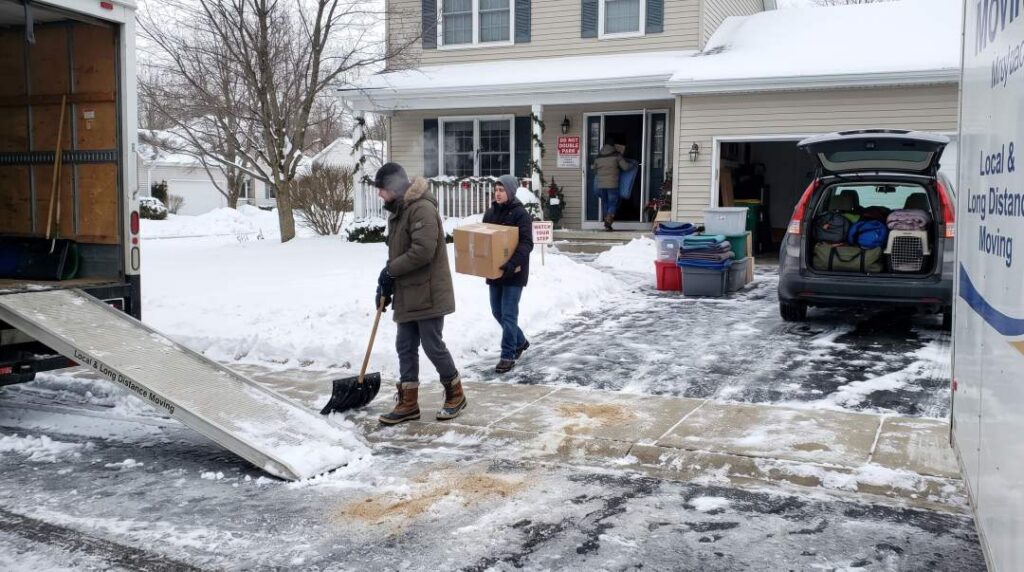
An open front door can quickly turn moving day into a struggle with cold rooms, wet floors, and escaping pets. Your checklist for Winter Moving Day Survival should cover warm shelter, safe loading routes, protected belongings, and winter driving.
Here is how to organize helpers, prepare winter moving supplies, and handle delays without putting anyone at risk.
5 Careful Moving Options for Temperature-Sensitive Winter Moves
Compare moving options by their written inventory, packing plan, weather communication, and delay procedures.
Editor’s pick
1
Cross Country Movers
Cross Country Movers describes temperature-controlled storage, specialized fragile-only packing, and special moves for delicate or oversized items. Its guaranteed flat price uses a detailed inventory rather than weight-based charges; ask professional movers to specify protection for artwork, electronics, and wood furniture.
2
Full-Service Movers with Climate-Controlled Storage
Storage can bridge weather delays or uncertain move-in access. Verify temperature controls, electricity contingency arrangements, access rules, and handling procedures; storage does not necessarily mean a climate-controlled vehicle.
3
Professional Packing Teams with Specialty Materials
Packing teams can combine furniture pads, waterproof outer protection, and secure labeling. Confirm they will dry damp items before enclosing them in cardboard.
4
Local Labor-Only Loading Help
Labor-only help suits short moves when you control the truck, route, and moving supplies. Assign a door person to manage traffic, traction checks, and breaks.
5
DIY Moving with a Backup Plan
A do-it-yourself move puts weather decisions on your moving crew. Include a buffer day, backup accommodations, and a clear postponement rule; back up your files before transporting computers.
Start with a Weather-Smart Moving Plan
A safe winter moving plan needs repeated forecast checks, daylight loading, and permission to delay. Begin monitoring conditions a week ahead, then check again the evening before and morning of departure.
Use a written moving checklist to track weather checks, treated walkways, warm clothing, pet and child arrangements, emergency supplies, and temperature-sensitive belongings. Reviewing each item before loading helps prevent small omissions from becoming safety problems.
An early start helps only after crews have treated icy surfaces. Share a simple floor plan showing the loading route and warm room.
Set Go, Delay, and Stop Criteria
Delay when visibility drops, official warnings discourage travel, or you cannot make walkways safe. Name one decision-maker and circulate the backup date, key handover contacts, alternate routes, and accommodation details.
Set a daylight cutoff rather than rushing the final load after sunset. Refreezing can make a previously usable route hazardous.
Clear Access Before the Truck Arrives
Shovel driveways, steps, and entryways, then apply salt, sand, or suitable ice melt. Keep a shovel and extra treatment accessible throughout loading.
Secure high-traction mats and remove loose doormats, cords, and clutter. Confirm truck parking, winter parking bans, and clear walkways at both addresses.
Use a Zone Heating Strategy to Keep the House Livable
A zone heating strategy keeps one protected room warm instead of trying to heat rooms with doors standing open. Separate children, pets, older adults, and resting helpers from exterior-door traffic.
Create a Warm Holding Room
Choose a heated room away from the loading entrance, with a closable door. Stock water, non-perishable snacks, medications, chargers, blankets, cash, and the family essentials bag.
Assign one named adult to supervise children and pets. Arrange this coverage early if winter break or holiday travel limits available help.
Limit Heat Loss at the Loading Entrance
Close the exterior door between carries and use the shortest safe loading route. Stage boxes without obstructing exits, radiators, or stairs.
Secure floor runners and door jamb protectors; replace wet towels before they cause slips and falls.
Use Portable Heat Safely
Follow heater instructions, maintain specified clearance from packing materials, and plug electric heaters directly into wall outlets. Never leave them unattended.
Never use outdoor fuel-burning heaters indoors or in an attached garage. Keep smoke and carbon monoxide alarms working throughout the move.
Protect Pets and Children from Cold, Confusion, and Escape
Keeping pets and children outside the loading flow reduces exposure to open doors, reversing vehicles, and dropped loads. Arrange a pet sitter, babysitter, or off-site stay when possible.
Unfamiliar helpers and noise can cause confusion even in familiar surroundings. Tell everyone which room stays closed before unloading equipment.
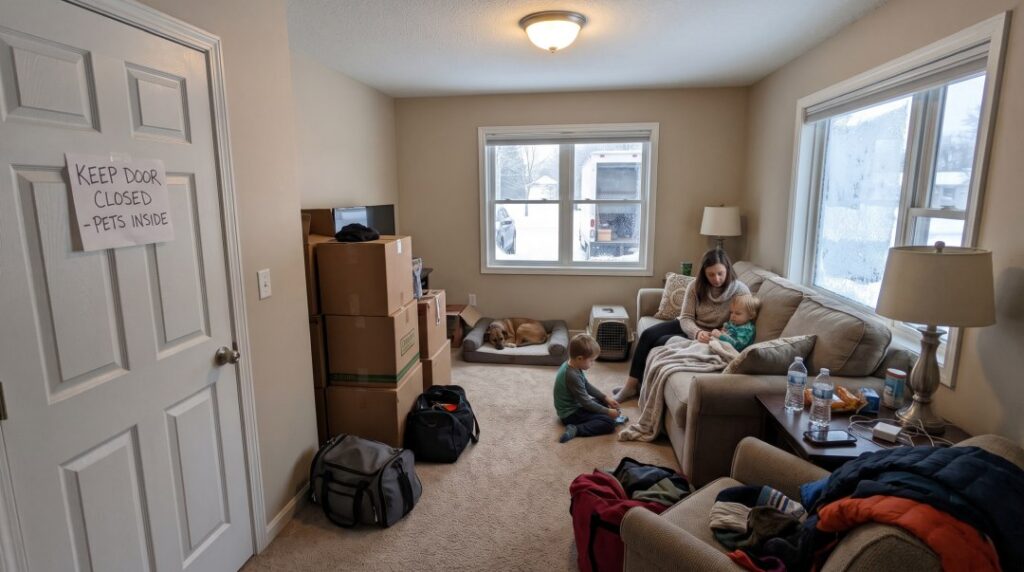
Pet Safety Plan
Place pets in the warm holding room with identification, carriers or leashes, food, water, medications, and familiar bedding or bed linens. Post a “Do Not Open” sign and check doors and gates.
Transport animals in a heated passenger vehicle, never an unheated cargo area. Keep potentially harmful houseplants away from their waiting space.
For dogs, prolonged cold exposure can lead to frostbite or life-threatening hypothermia; Cornell also advises never leaving a dog unattended in a car during cold weather.
Children’s Safety Plan
Keep children away from snowbanks beside traffic, truck ramps, stairs, and heavy-duty dollies. Give friends and family members one clear rule: only the named adult can escort children through the loading area.
Pack warm layers, dry socks, gloves, medications, snacks, and comfort items in a separate bag.
Equip Loaders for Cold, Wet, and Slippery Conditions
Layered clothing manages heat and moisture, while traction footwear helps prevent slips; loaders need both. Use proper lifting techniques, smaller loads, and regular breaks before fatigue affects balance.
Build Practical Protective Layers
Wear a moisture-wicking base layer, insulating middle layer, and water-resistant jacket. Avoid cotton next to skin because it holds moisture.
Keep a hat, spare gloves, and a dry change of clothes available. Remove a layer before heavy sweating, then replace it during breaks.
Choose Footwear and Gloves for the Job
Wear insulated boots with good traction on wet pavement and compacted snow. Choose grip gloves that allow secure control of straps, handles, and boxes.
Keep loads small enough to see steps and entryways clearly.
Recognize Cold-Stress Warning Signs
Stop for numbness, uncontrolled shivering, unusual fatigue, or fumbling hands.
Offer warm shelter, hydration, food, and warm drinks to alert people who can swallow safely.
Pack Belongings for Temperature and Moisture Changes
Winter packing must address moisture and temperature changes, not just impacts. Keep essential items separate and plan extra protection for antiques, electronics, and other belongings sensitive to temperature and humidity changes.
Freezing temperatures can damage liquids, medications, electronics, plants, wax items, and some materials, so identify these belongings before packing and keep them in a heated vehicle whenever practical.
Protect Fragile and Temperature-Sensitive Items
Wrap glassware and ceramics with packing paper and bubble wrap inside sturdy boxes. Use suitable padding and waterproof outer protection for artwork and furniture; double-wrapping alone does not provide temperature control.
Label temperature-sensitive boxes for loading last and unloading first. Carry medications, important documents, valuable electronics, houseplants, candles and wax items, and suitable liquids in the heated car when feasible.
Use original boxes for electronics when available, and follow manufacturer acclimation instructions before powering them on.
Keep Moisture Out of the Load
Dry snow-covered furniture and boxes before loading; never seal damp goods into cardboard. Plastic bins or sheeting provide outer moisture protection, not reliable insulation.
Keep old towels near both entrances to wipe wet shoes, furniture legs, and boxes, replacing them as they become saturated so they do not create slip hazards.
Follow appliance manuals for draining water-containing equipment. Check transport restrictions for flammable liquids, and keep canned goods or jars containing liquids from freezing.
Pack a Long-Distance Winter Emergency Car Kit
Keep your winter emergency car kit accessible in the passenger vehicle, not buried in the moving load.
Check tires, battery condition, wipers, and roadside assistance details. Have fluids changed or topped off as needed, and fill your tank before departure.
Warmth, Food, and Medical Supplies
Pack these together so passengers can reach them during a delay:
- Blankets, warm clothing, hats, gloves, and hand warmers.
- Non-perishable food, water, and a reusable water bottle.
- A first aid kit, medications, toiletries, and dry clothes.
- Emergency contacts, cash, and functioning credit cards.
Traction, Visibility, and Vehicle Recovery Supplies
Prepare for poor visibility, lost communication, and dead batteries:
- Ice melt, traction mats, snow shovel, ice scrapers, and snow brush.
- Flashlight or headlamps, spare batteries, and reflective gear.
- Phone chargers and a charged phone power bank.
- Suitable tire-changing tools and vehicle-approved recovery equipment you know how to use.
- Paper directions, alternate routes, hotel options, and any accommodation blackout dates.
Avoid the Winter Moving Mistakes That Cause Most Problems
Rushing, unclear responsibilities, and poor access preparation can turn manageable weather into an emergency. Review the plan with every helper before the first box moves.
A short delay is preferable to a fall, crash, or arrival at an inaccessible property. Midweek or midmonth scheduling may offer flexibility, but weather still controls the decision.
Common Errors to Avoid
Do not leave children or pets near open doors, rely on one forecast check, or leave heaters unattended. Assign someone to monitor safety conditions throughout loading.
Prepare for frozen locks without using open flames. Keep heat operating appropriately in an empty property to reduce the risk of freezing pipes, and do not pack a jerrycan with extra fuel among household goods.
A Final 15-Minute Safety Check
Confirm these points before departure:
- Walkways remain treated, furniture pads stay dry, and phones are charged.
- The holding room maintains a comfortable room temperature.
- The emergency kit and essentials remain accessible.
- The weather forecast, route, and destination access remain suitable.
- People, pets, and sensitive belongings enter the heated car without unnecessary cold exposure.
Controlled Exposure, Clear Roles, and Flexible Timing
A successful winter move depends on controlled exposure, clear responsibilities, and flexible timing. Keep one room warm, one route safe, and everyone ready to pause when conditions change.
How Cross Country Movers Approaches Winter Moving Day
Cross Country Movers settles scope and price off a detailed inventory before a truck is scheduled, which is the same discipline that keeps a cold-weather loading day from turning into a series of curbside decisions. Protection for fragile, oversized, and temperature-sensitive items is agreed in writing first, so a weather delay or an added item becomes a documented change rather than an argument in the driveway.
What the Agreement Covers
- Guaranteed flat price based on a detailed inventory list with no surprise fees or weight-based charges.
- Experienced movers trained to handle fragile and bulky items with care and attention to detail.
- Timely pick-up and drop-off respecting clients’ schedules for all moves, local or cross-country.
- Comprehensive services including packing, storage in temperature-controlled facilities, and car shipping.
- Full-service international moving to over 150 countries including packing and customs documentation.
None of that controls the forecast. What it does is settle the parts that are within anyone’s control before the first box leaves a warm room. Compare it against your other written estimates on the same terms: packing materials, storage, access charges, and what triggers a change.
Moving in winter? Get the inventory, the packing plan, and the delay procedure documented before the first cold snap.
About the Author
Written by the relocation team at Cross Country Movers, a licensed interstate household goods carrier operating as Trico Long Distance Transportation LLC under USDOT 2552260 and MC-889368, with a BBB A+ rating. Safety guidance reflects published federal and veterinary sources in effect at the time of writing and is not a substitute for medical or veterinary advice.
Primary sources: National Weather Service winter safety guidance; CDC NIOSH cold-related illnesses in workers; Cornell Richard P. Riney Canine Health Center winter safety tips. Last reviewed: November 2026. Updated every four months to reflect current safety guidance and seasonal conditions.
Key Takeaways
- A winter move needs one warm holding room away from the loading entrance, with a named adult supervising children and pets behind a closed door.
- Walkways decide most of the risk: shovel, treat, secure high-traction mats, and keep a shovel and extra ice melt within reach for the whole load.
- Set go, delay, and stop criteria in advance, including a daylight cutoff, and give one person authority to postpone.
- Pets travel in a heated passenger vehicle, never an unheated cargo area, and prolonged cold exposure risks frostbite or life-threatening hypothermia.
- Loaders need layers, insulated boots with traction, and grip gloves, and work stops for numbness, uncontrolled shivering, unusual fatigue, or fumbling hands.
- Winter packing is about moisture and temperature, not just impact: dry everything before wrapping, and carry medications, documents, electronics, and liquids in the heated car.
- Keep the winter emergency car kit in the passenger cabin, not the trailer, and back the whole plan with a buffer day and accommodation options.
Frequently Asked Questions
- Is It Safe to Move During the Winter?
Yes, when roads and walking routes are safe and everyone has suitable shelter and gear. Delay if warnings, ice, or poor visibility make loading or driving hazardous.
- How Do You Keep a House Warm While Moving in Winter?
Create a heated holding room away from the loading entrance and close interior doors. Close exterior doors between carries and keep staging areas clear of heaters and pathways.
- What Should You Pack Differently for a Winter Move?
Add waterproof outer protection, dry belongings before wrapping, and label temperature-sensitive boxes. Keep medications, documents, valuables, electronics, and pet supplies accessible in a heated vehicle when appropriate.
- What Should Be in a Winter Emergency Car Kit for a Long-Distance Move?
Include blankets, layers, food, water, medications, first aid supplies, phone power, and route backups. Add ice melt, traction mats, a shovel, scraper, flashlight, and spare batteries.
- How Can You Keep Movers Safe on Snow and Ice?
Clear and treat walking routes, provide traction footwear and grip gloves, and schedule warm-up breaks. Stop loading when conditions deteriorate or anyone shows cold-stress symptoms.