Best Neighborhoods in Seattle for Young Professionals: Your 2026 Relocation Guide
Posted in City Guides on July 5, 2026
You just signed an offer with Amazon, Microsoft, or one of Seattle’s fast-growing AI startups, and now you have to decide where to actually live. Choosing among the best neighborhoods in Seattle for young professionals shapes your commute, your budget, and your social life, so it deserves real thought before you sign a lease from across the country.
Ready to move with us?
Get A Free Quote
Seattle’s Job Market and Why Young Talent Keeps Arriving
Seattle’s economy in 2026 is still one of the strongest in the country. The city is a well-known tech hub, anchored by Amazon and Microsoft, with large engineering offices for Google, Meta, and Apple.
The momentum reaches well beyond big tech. Startups in artificial intelligence, green energy, and biotechnology are hiring aggressively. If you are relocating here for work, you are stepping into a high-paying and competitive market.
A strong salary means little if daily life wears you down. After a long day of coding or managing projects, a two-hour commute drains whatever energy you have left. The neighborhood you pick is part of your career strategy and your wellbeing, not just a place to sleep.
A Quick Comparison of Seattle’s Top Neighborhoods
Before the details, here is a simple overview of the one of these four will likely fit, and if you lean toward the suburbs, the Eastside is worth a look too.
| Neighborhood | Vibe and Lifestyle | Average Rent (1BR) | Best For |
|---|---|---|---|
| South Lake Union (SLU) | Modern, fast-paced, polished | High ($2,600+) | Tech workers who want to walk to the Amazon campus |
| Capitol Hill | Dynamic, artistic, energetic | Medium to high ($2,400+) | Nightlife lovers, extroverts, and car-free living |
| Ballard | Local, craft beer, maritime | Medium ($2,200+) | A relaxed pace, food lovers, and community feel |
| Fremont | Eccentric, quirky, bike-friendly | Medium ($2,250+) | Creatives, startup employees, and active locals |
| Bellevue/Redmond | Suburban, upscale, spacious | High ($2,600+) | Microsoft staff and those who want more space |
The Top Four Neighborhoods for Young Professionals
Here is a closer look at the areas that draw the most new arrivals. Whether you want to live steps from the office or prefer a quieter residential feel, one of these four will likely fit.
South Lake Union: Life at the Center of Seattle Tech
If you are joining Amazon, South Lake Union is almost a given. Over the past decade this former warehouse district turned into a cluster of modern high-rises. The vibe is sleek and efficient. It lacks the historic character of older Seattle, but it wins on pure convenience.
- Walk Score: 95, a walker’s paradise
- Transit Score: 88, excellent transit access
The appeal is obvious. You can wake up and reach your desk in about ten minutes on foot. The area is full of upscale gyms, quick lunch spots, and rooftop lounges that double as networking venues. The trade-offs are real too. SLU quiets down on weekends once the tech crowd heads elsewhere, and rents sit among the highest in the city.
Capitol Hill: The Social Heart of Seattle
If SLU is where the city works, Capitol Hill is where it goes out. This is the center of nightlife, independent coffee shops, diverse restaurants, and general energy. The atmosphere is lively and welcoming, which makes it a natural fit for outgoing professionals who want a full social calendar close to home.
- Walk Score: 98, a walker’s paradise
- Transit Score: 82, anchored by the Light Rail station
Getting around is easy. The Capitol Hill Light Rail Station connects you to Downtown, the University of Washington, and the airport. It is one of the best places in the city to meet people and catch live music. The main drawback is noise. If you value quiet evenings and early nights, you may prefer somewhere further north.
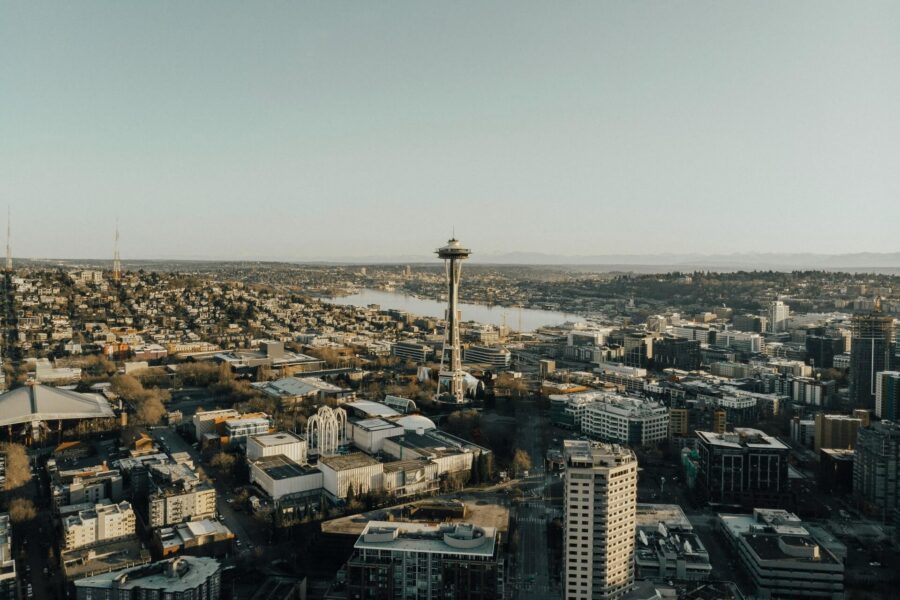
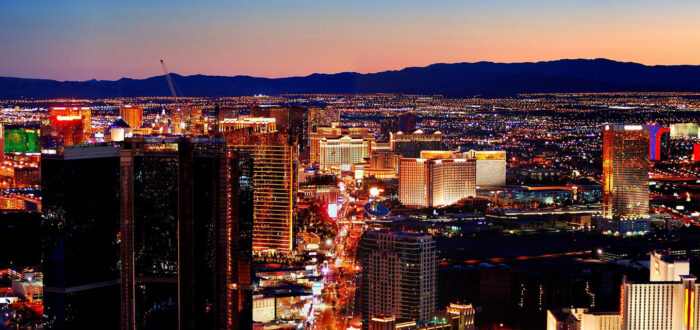
Take in a stunning aerial view of Seattle's modern urban landscape and bustling neighborhood buildings.
Ballard: A Neighborhood That Feels Like Its Own Town
In northwest Seattle, Ballard has the feel of a separate town. Once a Scandinavian fishing village, it has grown into a popular spot for professionals in their late twenties and thirties. The pace is a little slower and the community feel is strong. Ballard is known for its Sunday farmers market and a dense lineup of craft breweries.
The quality of life is a big draw. Weekends can mean browsing the boutiques on Ballard Avenue or paddleboarding at Shilshole Bay. The catch is access. Ballard sits away from the major highways, and there is no Light Rail yet, so commuting to Bellevue or the far side of Downtown by bus can be slow.
Fremont: Creative, Quirky, and Well Connected
Just east of Ballard, Fremont leans into its artistic reputation while housing modern tech offices, including campuses for Google and Adobe. The neighborhood is playful and active, known for public art such as the Fremont Troll beneath the bridge.
Fremont strikes a nice balance between Ballard’s local charm and easier access to SLU and Downtown. It is very bike-friendly, which makes it a favorite among people who commute on two wheels. Housing can be tight, mostly because residents tend to stay put once they settle in.

Prefer the Suburbs? Consider the Eastside
Not everyone wants city living. If you like more space, quieter streets, and a shorter walk to green areas, look across Lake Washington to the Eastside. This is home to Bellevue and Redmond, and it is a natural choice if you are joining Microsoft, whose main campus sits in Redmond.
Bellevue has grown into a polished second downtown, with high-rise apartments, upscale shopping, and a strong dining scene, all at a calmer pace than central Seattle. Redmond feels more residential and green, which suits people who want a family-friendly base close to work. Both areas connect back to Seattle through the 2 Line light rail, so you can enjoy the suburbs during the week and still reach the city on weekends.
The trade-off is cost and vibe. Rents in Bellevue rival the priciest parts of Seattle, and the nightlife is quieter than Capitol Hill. Still, for professionals who value space and an easy Eastside commute, it is often the smartest fit.
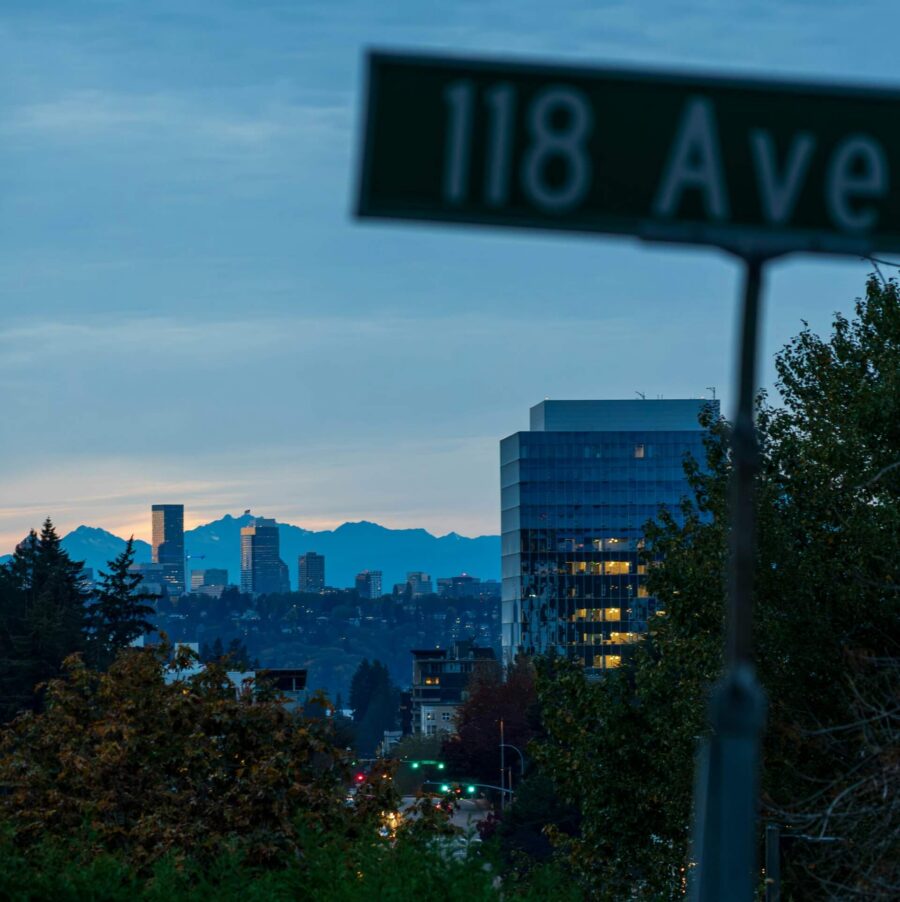
Strolling through downtown Seattle offers iconic city views framed by charming streetscapes.
How Daily Life Changes When You Move to Seattle
A few things shift once you settle into the Pacific Northwest, and it helps to know them in advance.
The rain is real, but it is not what most people expect. From November through April you get a steady, light drizzle rather than heavy storms. Locals skip umbrellas and rely on a good waterproof jacket instead.
Coffee is a genuine part of the culture. Independent roasters sit on nearly every corner and serve as default meeting spots for everything from casual catch-ups to startup pitches.
The outdoors are part of the routine. Even people who stare at screens all week spend weekends hiking near Mount Rainier, kayaking on Lake Union, or skiing at Snoqualmie Pass. Nature is woven into the city.
Beating the Seattle Freeze
You will probably hear about the Seattle Freeze, the local habit of being polite but a little distant. People here are friendly, yet breaking into established social circles can take time. The fix is to build connections around shared activities:
- Join an indoor bouldering gym, which is popular with the tech crowd
- Attend professional networking meetups around SLU
- Sign up for a run club near Green Lake
Regular, shared activities are the fastest route to a real social circle, especially through the darker winter months.

Connecting with community members and neighbors in comfortable indoor gathering spaces.
The Real Cost of Living in Seattle in 2026
Seattle is an expensive city, often sitting just behind San Francisco and New York. Here is a realistic budget to plan around.
- Housing: most new arrivals rent first. A one-bedroom apartment runs roughly $2,200 to $3,200 per month depending on neighborhood and amenities, with luxury high-rises in SLU at the top of that range.
- Utilities and internet: Washington leans heavily on hydropower, so electricity is relatively affordable. Budget about $150 to $200 per month for basic utilities and fast fiber internet.
- Food and groceries: dining out adds up quickly, especially in areas like Capitol Hill. A mid-range dinner for two often lands near $80 to $100, and groceries for one person average $400 to $500 per month.
- Transportation: a monthly ORCA transit pass costs around $100, and many large tech employers cover it for their staff.
Common Routes for Moving to Seattle
Relocating across the country takes real planning. At Cross Country Movers, we handle steady migration into Seattle every month, and a few routes come up again and again.
- New York City to Seattle: a coast-to-coast haul of nearly 3,000 miles.
- San Francisco and the Bay Area to Seattle: the classic tech-to-tech move, often driven by lower rents and no state income tax.
- Austin and greater Texas to Seattle: frequently tied to corporate transfers within the tech industry.
- Chicago to Seattle: a favorite for Midwesterners who want mountains and water nearby.

Experienced moving professionals ensure all your packed belongings are organized and ready for transport.
Wherever you start, moving to Seattle means crossing wide plains, shifting weather, and the Rocky Mountains. That is a lot to take on with a rental truck and a single weekend of driving.
Why Full-Service Movers Make Sense for Busy Professionals
Here is the practical reality. As a software engineer, project manager, or IT specialist, you likely have the budget but very little spare time, and your employer may even offer a relocation stipend.
Spending two weeks wrapping glasses in newspaper is not the best use of your energy, and neither is worrying whether your standing desk survives the trip over the Rockies. This is where Cross Country Movers comes in. We plan tailored relocations for working professionals, and we treat your move as a life transition rather than a stack of boxes.

Staying organized with a detailed moving to-do list helps keep your relocation stress-free and on track.
Packing Support Built Around Your Schedule
With full-service packing, you can keep working from your desk until your last day in your old city. Here is what that covers:
- Tech-safe packing: your monitors, custom-built PCs, and ergonomic chairs get anti-static padding and custom crating so they arrive intact.
- Care for high-value furniture: from mid-century sofas to framed artwork, our team wraps and secures fragile pieces properly.
- Disassembly and reassembly: we take apart your bed and desk at the old place and set them up again in your new apartment.
Shipping Your Car to Seattle
Do you need a car in Seattle? If you live and work in Capitol Hill or SLU, probably not for daily life. If you want to explore the Cascades, the Olympic Peninsula, or the coast on weekends, a car quickly becomes useful.
Rather than adding 2,500 miles of wear to your vehicle and losing a week to driving, our car shipping to Seattle service handles it for you. We offer both open and enclosed auto transport, and your car arrives at your new neighborhood ready for that first weekend trip to Snoqualmie Falls.

Preparing your vehicle for auto transport ensures it stays in optimal condition before and after your move.
Practical Tips for a Smooth Move to Seattle
Keep these in mind as you get ready:
- Leave the clutter behind. Newer Seattle apartments can be compact. Use the move to declutter, and do not pay to ship things you no longer love.
- Rent before you buy. The housing market is complex. Rent in an area like Ballard or Fremont for a year to confirm the fit before committing to a mortgage.
- Book your movers early. Summer, from May through September, is peak season. Reserve your long-distance movers six to eight weeks ahead to lock in your dates.
- Plan for the hills. Seattle is steep in places, especially Capitol Hill and Queen Anne. Hauling heavy furniture up narrow streets is risky, so leave the lifting to professionals.
Ready to move with us?
Get A Free Quote
Ready to Make Your Move to Seattle?
Choosing between the nightlife of Capitol Hill, the convenience of SLU, or the character of Fremont is the fun part of this decision. The logistics do not have to drain you before you arrive. With Cross Country Movers handling the packing and the transport, you can put your energy into settling in and starting strong in the Emerald City.
FAQ
Do I really need a car if I move to Seattle?
It depends on your lifestyle. In SLU or Capitol Hill, walking and transit cover most daily needs. If you love hiking, skiing, and weekend getaways, you will want a car.
Which neighborhood is best for working from home?
Ballard and Fremont are great for remote workers. Both feel calmer and more residential during the day and offer plenty of coffee shops when you need a change of scenery.
How do I hunt for an apartment from another state?
Many Seattle property managers offer live video tours. Be cautious of scams, and stick to reputable buildings or a local relocation agent. Short-term corporate housing for your first month is another safe option, giving you time to tour neighborhoods in person while your belongings are in transit.
Is a cross-country move expensive?
Costs depend on volume and distance. Many tech employers offer relocation packages that cover the expense, and professional full-service movers save you stress, reduce the risk of damage, and let you focus on your new job.